Faculty


Laboratory
Cancer Metabolism lab
Prof. Kim, Sung Eun
Location
Room 159, Building B, Hana Science Hall
Overview
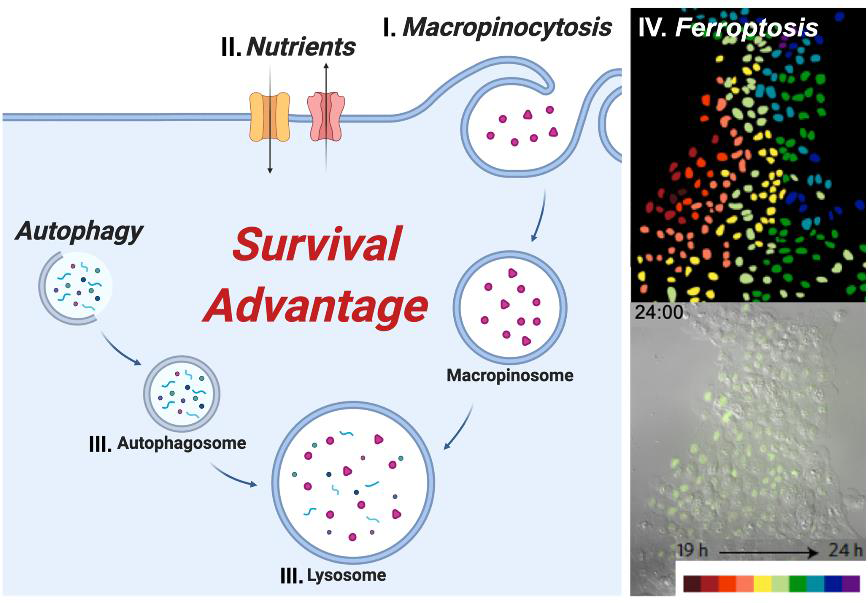
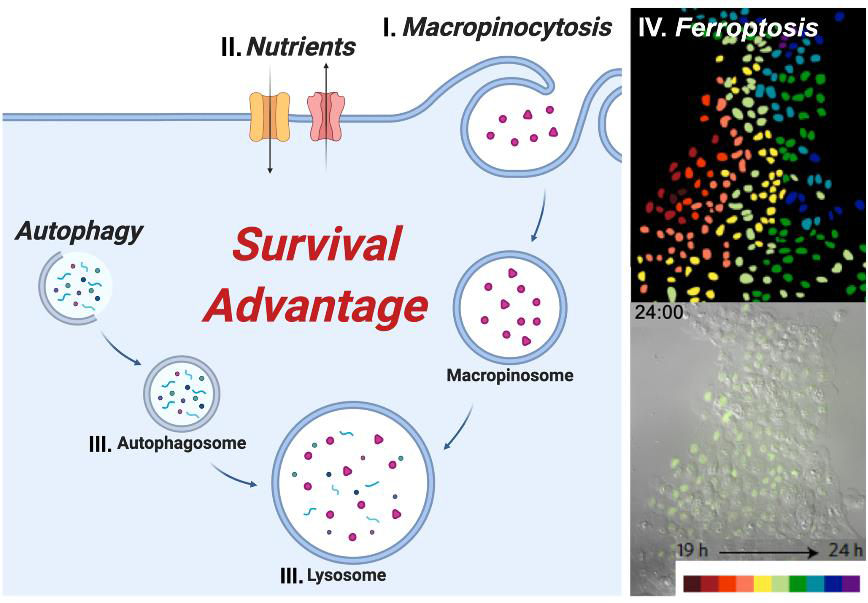
The Cancer Metabolism Lab aims to investigate metabolic pathways and cell death mechanisms involved in human diseases to develop novel therapeutic strategies. In particular, the lab focuses on identifying new mechanisms that regulate the tumor microenvironment (TME), thereby inducing cancer cell death and enhancing the efficacy of therapeutic treatments.
Main Research Areas
- Mechanisms of macropinocytosis that enable cancer cell survival under nutrient-deprived conditions
- SLC (solute carrier) transporters that regulate metabolism and immunotherapy responses in the tumor microenvironment
- Autophagy and lysosome pathways involved in intracellular nutrient recycling and degradation
- Ferroptosis, a form of cell death that influences disease progression and spreads to neighboring cells
Functional interactomics Laboratory
Prof. Park, Jae-Yong
Location
Room 554, Building B, Hana Science Hall
Overview
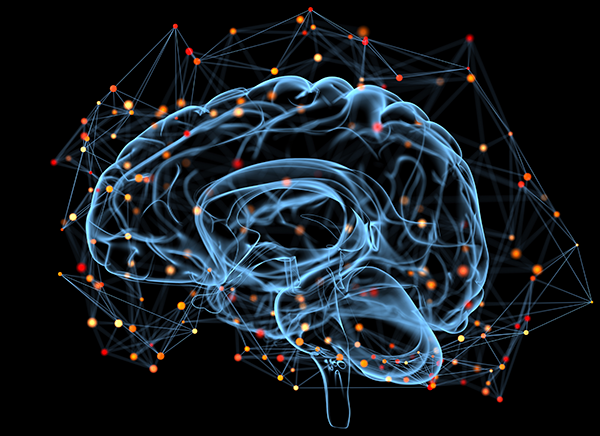
This laboratory aims to understand brain function through the interaction between glial cells and neurons. Since 2004, the lab has identified binding partners of membrane proteins (such as ion channels and GPCRs) in glial and neuronal cells at the genome-wide level and has constructed interaction networks of key membrane proteins. Currently, the research focuses on how these interacting proteins regulate membrane protein function and, consequently, brain activity. Based on these findings, the lab seeks to develop therapeutic strategies for neurological disorders.
Main Research Areas
- Glia-neuron interaction using membrane protein interactomics
- Regulation mechanism of ion channels in the brain
- Ion channels and related cancers
Natural Products Biosynthetic Engineering Lab
Prof. Park, Je-Won
Location
Room 560, Building B, Hana Science Hall

Overview
Natural product-derived pharmaceuticals are biosynthesized by diverse terrestrial and marine organisms and serve as high-value functional biomaterials due to their unique chemical scaffold structures. A fundamental understanding of their biosynthetic processes enables the identification of metabolic pathways of biosynthetic enzymes and supports industrial applications such as the development of novel biomaterials and improved production efficiency.
This laboratory focuses on the biosynthesis of natural product-based pharmaceuticals, including aminoglycoside antibiotics, polyketide and polyphenol anticancer agents, and plant-derived phytochemicals, at the biosystem level. To achieve this, the lab integrates multidisciplinary approaches, including biochemistry, molecular biology, medicinal chemistry, metabolic engineering, pharmaceutics, bioinformatics, and synthetic biology.
Main Research Areas
- Development of optimized biosystem-based cell factories using synthetic biology and biosynthetic pathway engineering
- Development of smart biotherapeutics for diagnostics and therapeutics using biofoundry-based biosystem design
Molecular Nutrition & Physiology Lab
Prof. Shin, Min-Jeong
Location
Room 561, Building B, Hana Science Hall

Overview
As the quality of life improves, interest in maintaining a healthy lifestyle continues to grow. This laboratory focuses on contributing to a “healthy life” by identifying causal factors and mechanisms underlying diseases and discovering bioactive compounds that can modulate these conditions.
In particular, the lab aims to comprehensively understand metabolic disorders by integrating multiple research approaches—from in silico studies using large-scale human cohort data to identify risk factors, to in vitro and in vivo studies that elucidate how these factors influence signaling pathways in actual disease contexts.
Furthermore, by applying nutritional and genetic perspectives, the lab seeks to improve disease diagnosis and maintain optimal metabolic balance, ultimately contributing to enhanced therapeutic strategies as well as disease prevention and health maintenance.
Main Research Areas
- Identification and interaction analysis of environmental and genetic factors in metabolic diseases (genomics, proteomics, metabolomics)
- Investigation of disease risk factors and mechanisms using large-scale human cohort data (e.g., KNHANES, KoGES)
Lab. of Bacteriology
Prof. Yi, Hana
Location
Room 559, Building B, Hana Science Hall
Overview
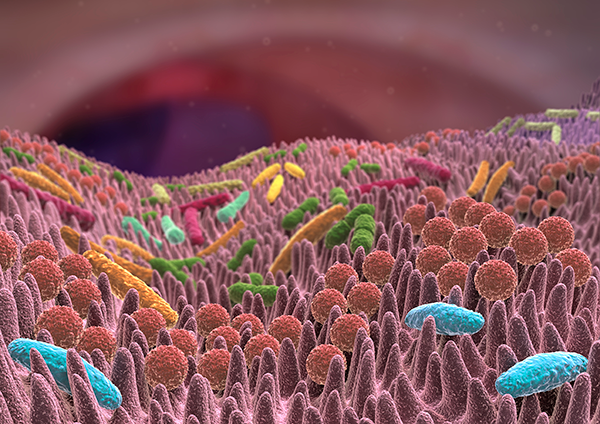
The Lab of Bacteriology aims to contribute to the safe coexistence of microorganisms and humans by studying microorganisms of significant public health importance. The lab utilizes metagenomic and genomic analysis techniques to investigate the characteristics and functions of diverse microorganisms.
Main Research Areas
- Study of genetic diversity of the human microbiome and its association with diseases
- Discovery of novel pathogenic microorganisms through viral and bacterial metagenomic analysis
- Prokaryotic taxonomy based on genetic traits for accurate classification and identification, and discovery of novel microbial resources
lab. of Stem cell and Neuroregeneration
Prof. Hong, Sung Hoi
Location
Room 557, Building B, Hana Science Hall
Overview
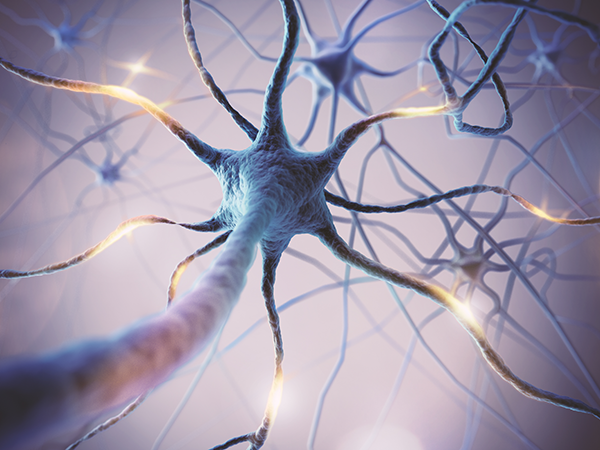
There are still many diseases for which effective treatments have not been established, particularly rare and intractable central nervous system disorders. Stem cell-based cell and gene therapies are emerging as promising alternatives to address these challenges.
The Lab of Stem Cell and Neuroregeneration aims to develop innovative therapeutic strategies for such diseases using advanced stem cell technologies.
Main Research Areas
- Development of cell and gene therapies for rare and intractable CNS diseases using induced pluripotent stem cells (iPSCs) and direct transdifferentiation (Alzheimer's disease, Parkinson's disease, Huntington's disease, Amyotrophic Lateral Sclerosis (ALS), Epilepsy, Neuro-immune diseases, etc.)
- Investigation of cancer initiation and progression mechanisms targeting specific genes, and development of therapeutic approaches
- Development of AI-based stable cell culture systems and automated platforms for stem cells and cancer cells
Human Genomics Laboratory
Prof. An, Joon-Yong
Location
Room 259, Building B, Hana Science Hall
Overview
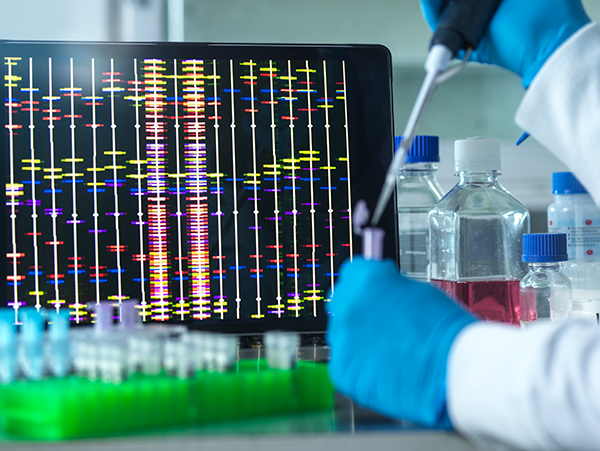
The Human Genomics Laboratory aims to investigate human development and the causes of diseases using diverse genomic data. In particular, the lab analyzes whole-genome sequencing data from individuals diagnosed with autism to identify associated genes and genetic variants and to understand their effects on disease phenotypes.
In addition, the lab employs single-cell transcriptomics and multi-omics approaches to study brain development from fetal stages to adulthood, as well as the mechanisms underlying intractable cancers. By integrating cloud computing and artificial intelligence technologies, the lab analyzes large-scale biological data to uncover key biological phenomena and disease-causing factors.
Main Research Areas
- Genomics for complex disease
- Bioinformatics
- AI (Artificial Intelligence) for biology
Leukemia, Lymphoma, & Molecular Immunology Lab
Prof. Lee, Jae-Woong
Location
Room 564, Building B, Hana Science Hall

Overview
This laboratory focuses on understanding the regulatory mechanisms of adaptive immune homeostasis (activation and exhaustion) and investigates diseases arising from immune dysregulation, particularly B cell–related hematologic malignancies. The lab also aims to develop effective cancer immunotherapy strategies by leveraging antibody-mediated immune responses characteristic of B cells.
Main Research Areas
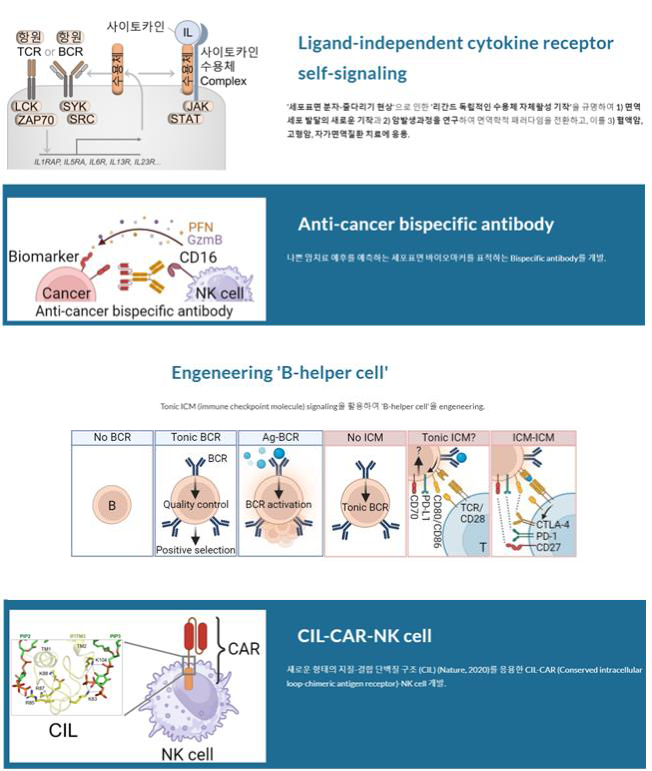
- Ligand-independent cytokine receptor self-signaling - Identified the 'cell surface molecule tug-of-war' phenomenon to elucidate the 'ligand-independent receptor self-activation mechanism' to 1). study new mechanisms of cell development, 2). investigate oncogenesis to shift immunological paradigms, and 3). apply these findings to the treatment of hematologic malignancies, solid tumors, and autoimmune diseases.
- Anti-cancer bispecific antibody - Developing bispecific antibodies targeting cell surface biomarkers that predict poor cancer treatment prognosis.
- Engineering 'B-helper cell' - Engineering 'B-helper cells' by utilizing Tonic ICM (immune checkpoint molecule) signaling.
- CIL-CAR-NK cell - Developing CIL-CAR (Conserved intracellular loop-chimeric antigen receptor)-NK cells by applying a new type of lipid-binding protein structure (CIL) (Nature, 2020).
Genomic Analysis Laboratory
Prof. Bae, Tae Jeong
Location
Room 569A, Building B, Hana Science Hall

Overview
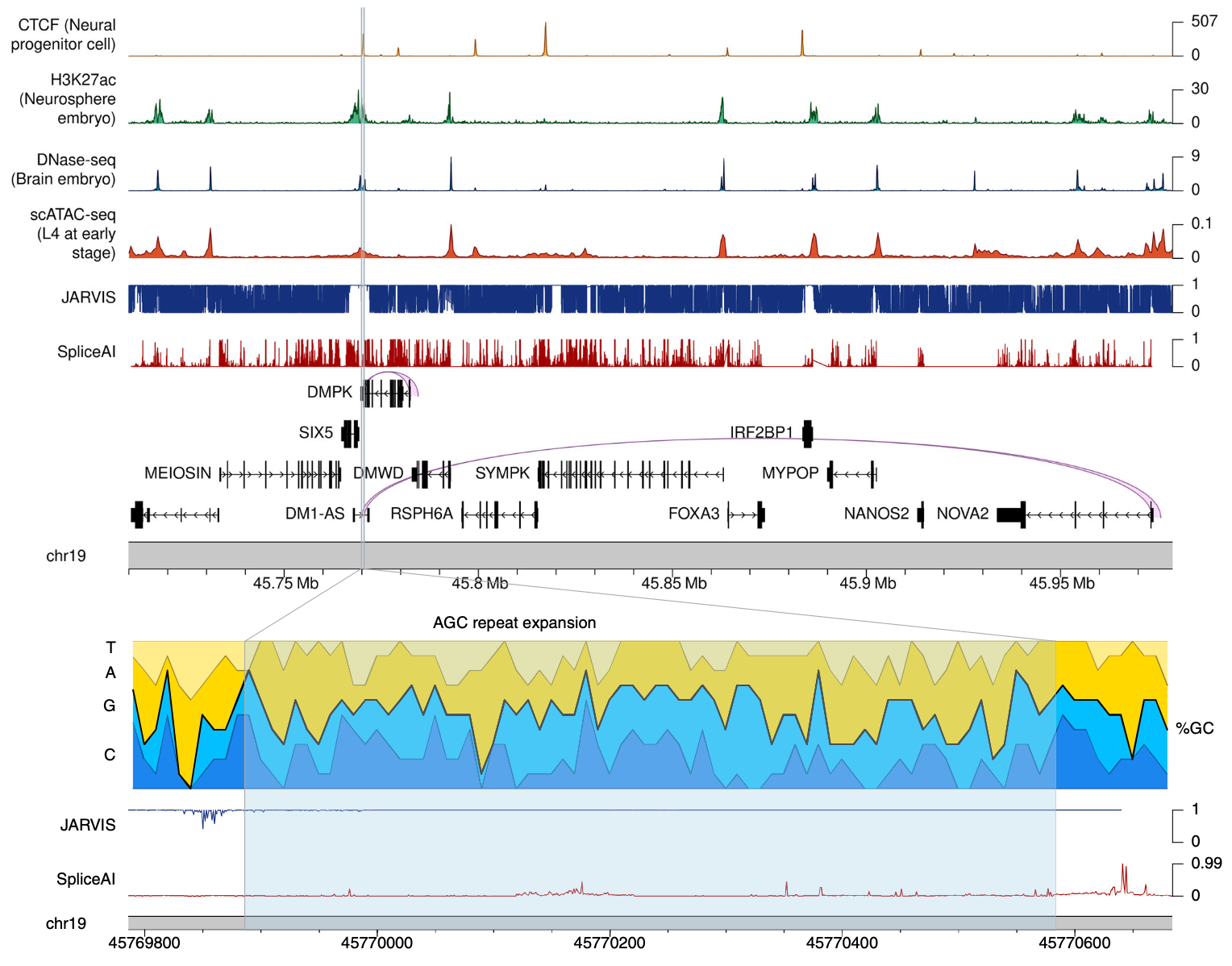
The Genomic Analysis Laboratory investigates the occurrence of genetic variants and their functional consequences through large-scale genomic data analysis. The lab focuses particularly on somatic mutations accumulated during cell division and somatic mosaicism, where distinct cell populations acquire unique genomic patterns.
The lab develops experimental and computational methods to detect somatic mosaicism from large-scale genome sequencing data and traces the origins of mutations through mutational signature analysis. Furthermore, it utilizes mutational lineage analysis to study early human developmental processes that are difficult to access experimentally.
By integrating multi-omics data, the lab also performs functional interpretation of genetic variants and explores their roles in human development, aging, and various diseases.
Main Research Areas
- Ultra-sensitive detection of somatic mutations using single-cell and high-resolution whole-genome sequencing data
- Mosaic genome analysis to understand mechanisms of development, aging, and disease
- Functional interpretation of genetic variants through integrative multi-omics analysis
Lab of NanoGeneTherapeutics
Prof. Lee, Kyuri
Location
Room 166, Building B, Hana Science Hall
Overview
Gene therapeutics represent a new paradigm in modern medicine by utilizing RNA and DNA molecules to induce therapeutic effects within the body. Maximizing their clinical efficacy requires the integration of diverse biophysical and biochemical technologies.
In particular, the design of RNA/DNA structures for disease-specific therapeutic effects, along with nanomaterial-based delivery systems that enable safe and efficient targeting within the body, are critical determinants of therapeutic success.
This laboratory aims to establish essential platform technologies for gene therapeutics through interdisciplinary research. With expertise in nucleic acid biology and nanomaterial-based delivery systems, the lab focuses on developing innovative and clinically applicable gene therapy platforms.
Main Research Areas
- Gene Therapeutics/Vaccine
- Nanomaterials for Gene Delivery
- RNA-based Therapeutics
- CRISPR-based Therapeutics
- Cancer Immunotherapy
Computational and Systems Immunology Lab
Prof. Jung, Won Yeong
Location
Room 566, Building B, Hana Science Hall
Overview
The immune system responds to external stimuli through complex and highly coordinated interactions among its components. When these functions fail, various diseases can arise. This laboratory aims to understand the underlying principles of immune system operation and to develop novel strategies for its regulation.
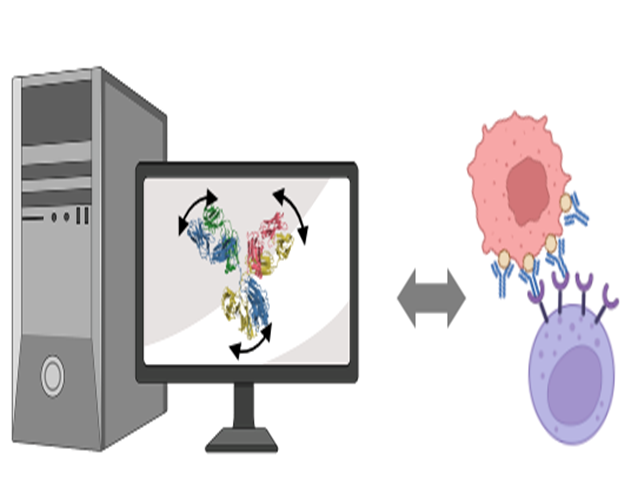
To achieve this, the lab develops and applies data-driven and mechanistic modeling approaches grounded in systems biology. Ultimately, the goal is to contribute to the design of biomolecules capable of precisely controlling immune responses.
Main Research Areas
- Development and application of computational modeling methods for solving problems in immunology and life sciences
- Study of antibody functions in the immune system and in silico antibody design
Developmental Omics & Organoid Lab
Prof. Rhee, Si Yeon
Location
Room 568, Building B, Hana Science Hall
Overview
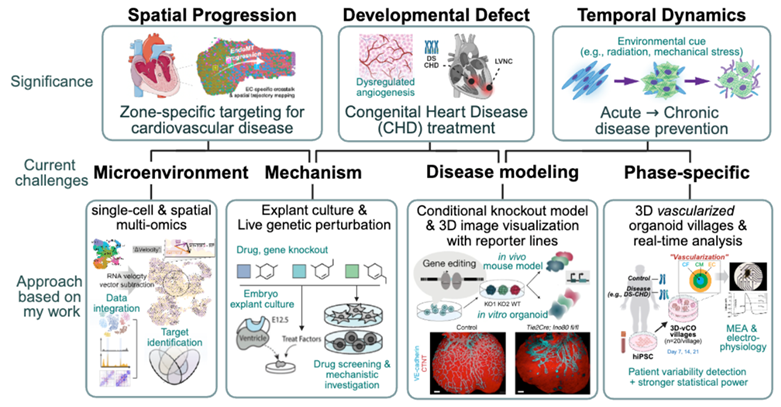
This laboratory integrates developmental biology principles with embryo and human iPSC-derived organoid models, along with single-cell and spatial multi-omics technologies, to build advanced disease modeling platforms.
Focusing on cardiovascular diseases, the lab investigates developmental abnormalities and microenvironmental disruptions across multiple organs, including the brain, skin, and liver. It aims to precisely define disease-specific cellular states and signaling network rewiring.
Ultimately, the lab seeks to identify novel therapeutic targets linking development, disease, and regeneration, while expanding translational and collaborative research on a global scale.
Main Research Areas
- Cardiovascular & Developmental Biology
- Cardiac Disease Modeling (iPSC & Organoids)
- Single-Cell & Spatial Multi-Omics
- Translational Cardiovascular Research